
You can absolutely go blonde and look like you, not like you’re wearing someone else’s hair color.
The trick is to separate two decisions:
Tone (warm vs cool vs neutral blonde)
Depth (how light you go, and how often you’ll need upkeep)
This guide is built for buyers. You’ll get a simple way to find your undertone, a shortlist of blondes that typically flatter it, and the exact questions to ask so you don’t end up brassy, washed out, or stuck with a maintenance schedule you didn’t agree to.
Key Takeaway: The “best blonde” is the one that matches your undertone, fits your contrast (how light vs deep your features are), and matches your maintenance tolerance.
If you only remember three rules:
Warm undertone → warmer blondes (honey, golden, caramel, strawberry). Cool undertone → cooler blondes (ash, pearl, platinum). Neutral undertone → beige/cream and balanced tones.
The lighter you go, the more upkeep you buy. If you don’t want frequent appointments, choose techniques like balayage or a root shadow.
Brassiness is normal when blonde fades. Your plan should include toning/glossing and protection from heat, sun, and hard water.
Do these in natural light. Don’t trust bathroom lighting.
Look at the inside of your wrist.
Blue/purple veins usually point to cool undertones
Green veins usually point to warm undertones
Hard to tell / mixed usually means neutral
StyleSeat’s undertone guide explains this vein check (plus a few other useful cross-checks) in plain language: StyleSeat’s undertone tests (veins, jewelry, sun reaction).
Hold up gold and silver near your face.
If gold makes you look healthier/glowier → you likely lean warm
If silver looks cleaner/brighter → you likely lean cool
If both work → you may be neutral
Think about how your skin behaves in the sun.
Burns easily → often cool
Tans easily → often warm
Burns then tans → often neutral
Pro Tip: If one test confuses you, run all three and look for a trend. As Color Analysis App points out, the vein test alone can be misleading for some skin tones, so cross-checking matters: Color Analysis App’s notes on why the vein test can mislead.
This is where most “bad blonde” stories start: the level is fine, but the tone fights your skin.
Below are safe starting points. Your colorist can customize within each family.
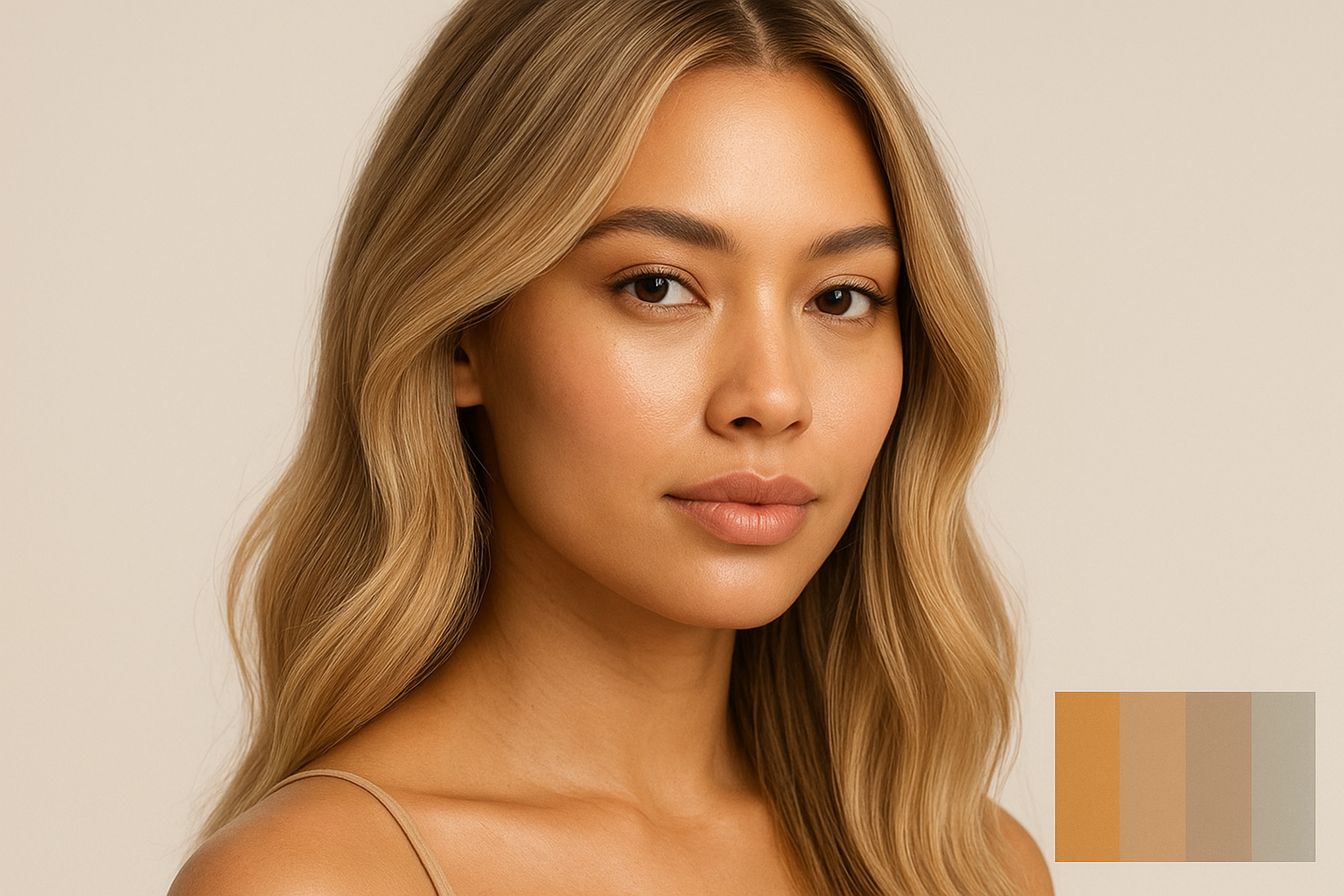
Choose blondes that read golden, honey, buttery, caramel, or strawberry.
Good options to ask for:
Honey blonde
Golden blonde
Butter blonde
Caramel blonde (often reads deeper, works well if you want dimension)
Strawberry blonde (warm blonde + soft red)
Matrix’s shade guide lists many of these warm-leaning families and who they typically flatter: Matrix’s guide to blonde shades for warm, cool, and neutral undertones.
What to be careful with:
Super icy/ash blondes can make warm skin look dull or slightly gray/green.
Choose blondes that read ash, pearl, champagne, beige-leaning cool, or platinum.
Good options to ask for:
Ash blonde
Champagne blonde
Pearl blonde
Icy beige blonde (cool beige, not golden)
Platinum (only if you’re ready for upkeep)
What to be careful with:
Very golden blondes can sometimes pull “too yellow” next to cool/pink skin.
You have the most flexibility, but you still want balance.
Good options to ask for:
Beige blonde
Creamy blonde
Wheat blonde
Neutral bronde (brown + blonde blend)
What to be careful with:
Going extreme warm or extreme icy can still overpower you. Neutral usually looks best with a “soft middle.”
Even the perfect tone can look wrong if the depth is too high-contrast for your features or too high-maintenance for your life.
Balayage / lived-in blonde
Face-framing highlights
Root shadow (keeps regrowth softer)
These choices grow out more gracefully.
Traditional highlights (especially if they start close to the root)
Brighter bronde
Platinum / all-over blonde
High-lift looks with minimal dimension
Exact timing depends on your growth, contrast, and your standards. But as a baseline:
Lived-in balayage is commonly refreshed less often than classic highlights.
Many people still need toner/gloss refreshes between major lightening appointments to keep the blonde intentional.
Madison Reed’s maintenance explainer lays out ranges for balayage/foilyage versus traditional highlights and root maintenance: Madison Reed’s timeline for balayage vs highlights maintenance.
Wella also notes that techniques like a shadow root can help soften the demarcation line and support longer intervals between some appointments: Wella Professionals’ blonde maintenance routine (toning, shadow root, care).
⚠️ Warning: If you want very light blonde but you only want to see your stylist 2–3 times a year, you’re setting yourself up for disappointment. The look and the schedule have to match.
Brassiness isn’t a moral failure. It’s chemistry.
Lightening exposes warm underlying pigments, and over time your toner fades. Heat, UV, and hard water can make warm tones show up faster.
Odele breaks down the common causes (hard water minerals, UV exposure, heat styling, toner fading) and prevention steps in a reader-friendly way: Odele’s explainer on why blonde hair turns brassy (hard water, UV, heat, toner fade).
Use a heat protectant and lower heat where possible.
Consider a shower filter if you have hard water.
Use toning products only when you actually see warmth (overuse can make hair look flat).
Plan on periodic gloss/toner refreshes.
If your hair looks orange/yellow immediately after a fresh salon blonde service (not weeks later), that can indicate the lift wasn’t clean enough for the tone you asked for. That’s a technical issue, not something purple shampoo should be expected to “solve.”
Bring this list. It prevents the classic miscommunication where you say “beige blonde” and leave with “yellow blonde.”
“I want a cool / warm / neutral blonde. Can you show me 2–3 swatches or photos you consider that tone?”
“If this tone fades, what does it fade to on my hair?”
“Should we do balayage, highlights, face frame, or all-over for my goal?”
“Can we add a root shadow so grow-out is softer?”
“What’s the healthiest blonde we can reach in one appointment?”
“Do you see any reason we should go slower (previous color, porosity, breakage risk)?”
“How often will I need toner/gloss to keep this tone?”
“How often will I need a lightening refresh for this technique?”
“What’s the at-home routine you want me on (frequency + key products)?”
Key Takeaway: A good blonde plan includes (1) tone target, (2) technique, (3) maintenance cadence, and (4) hair health limits.
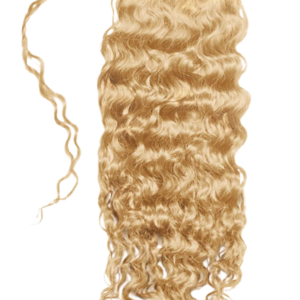
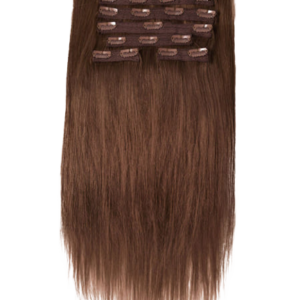
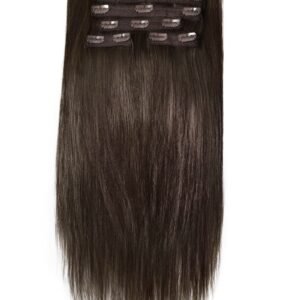
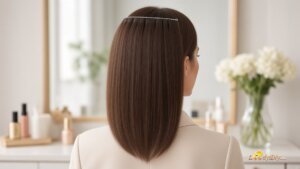
If you’re not 100% sure which blonde family flatters you, you can test the vibe first with multi-tonal extensions.
Two internal resources that help you do this more realistically:
If you’re deciding between extension types and want something that blends naturally, start with seamless vs. classic clip-ins.
If you’re shopping specifically for shades that blend (especially if your hair is fine), this guide discusses blonde shade matching for extensions.
If you’re not sure whether you’d prefer a quick everyday option or maximum styling flexibility, compare halo extensions vs. clip-ins.
Beige and creamy blondes are often the safest “middle” because they’re less extreme than very golden or very icy tones. But your undertone still matters.
Assume neutral as a starting point, then choose a balanced beige/cream tone. Also: take photos in daylight with both gold and silver jewelry and see which makes your skin look clearer.
Usually yes, but it may take multiple sessions to keep hair healthy and avoid patchy warmth. Ask your stylist what’s realistic in one appointment.
Lived-in techniques like balayage and softer face framing usually grow out more gently than all-over blonde.
Start with undertone (warm/cool/neutral), then choose the blonde tone family that matches.
Pick your blonde technique based on the maintenance schedule you’re actually willing to keep.
Brassiness is normal as blonde fades; plan for gloss/toner refreshes and protect against heat, sun, and hard water.
A great outcome is less about finding one “best blonde” and more about agreeing on a clear plan with your stylist.